
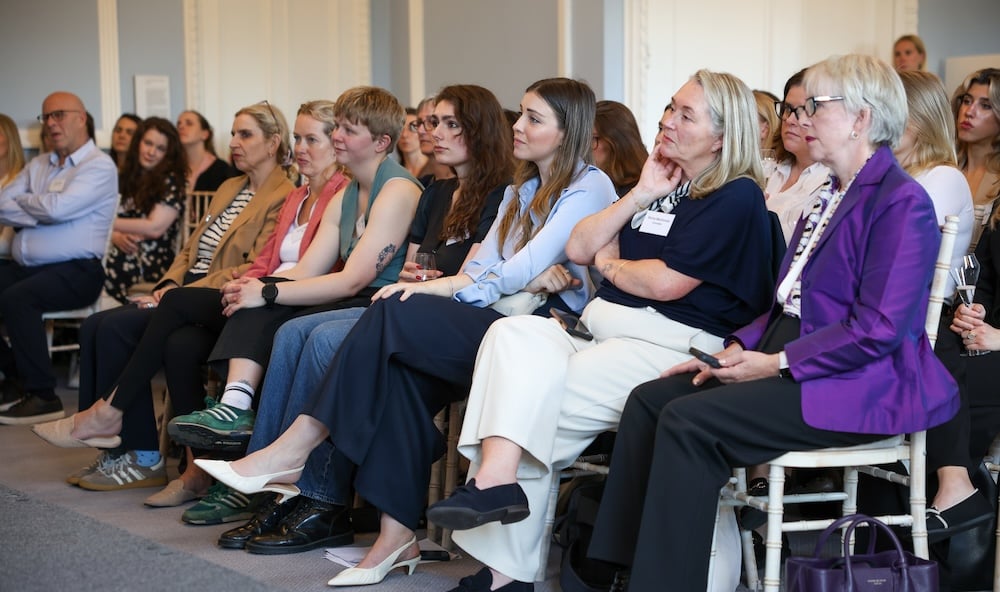
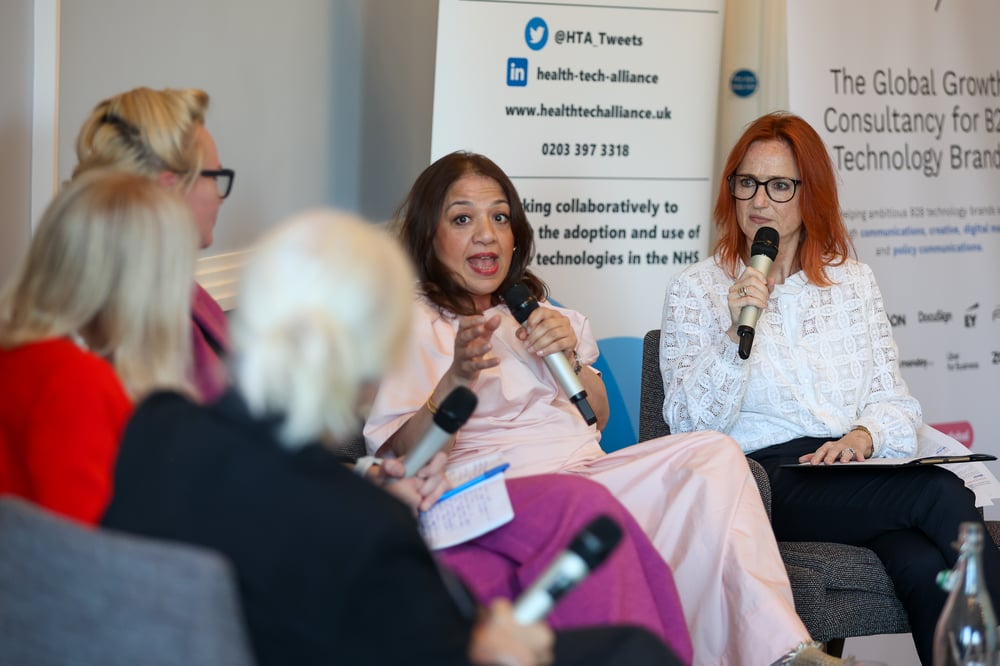
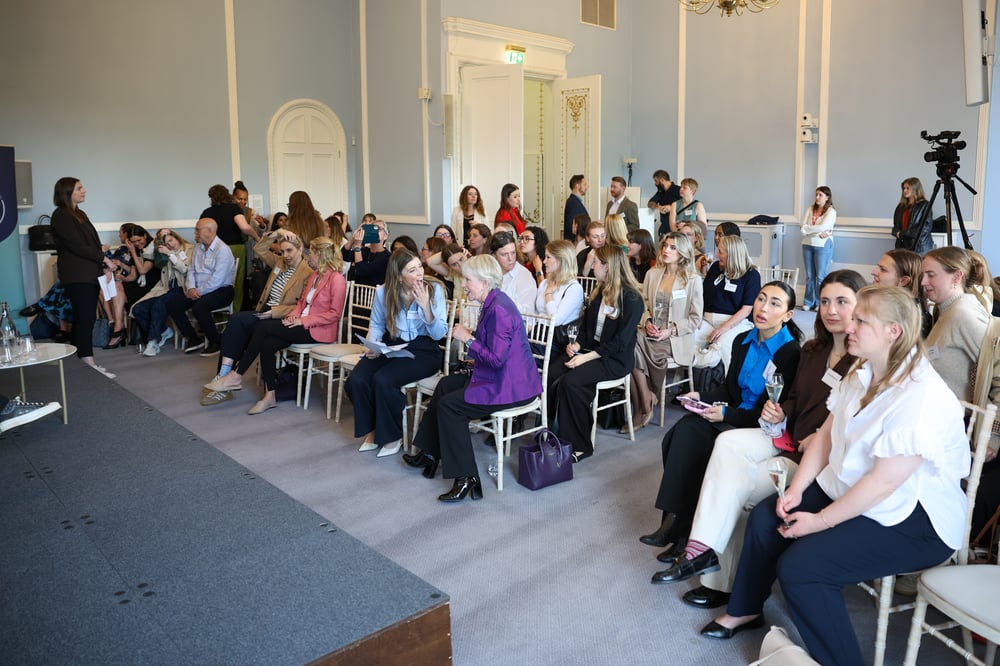
Back in May this year, Women in Public Affairs (WiPA) brought together an extraordinary room full of founders, NHS leaders, policymakers, patient advocates and clinicians for an evening on a hugely important question in UK health policy: how do we redesign our health system around women’s lived experience? Clarity was proud to sponsor the event, working alongside the Health Tech Alliance, with our CEO Rachel Gilley chairing the panel.
She was joined by an inspiring line-up of panellists including: Allison Gardner MP, founding chair of the new All-Party Parliamentary Group on Urinary Tract Infections (UTIs), Professor Janice Rymer, Chair of the British Menopause Society, Dr Shazia Malik, UK Medical Director at Daye, and Hannah Gagen, Head of Government Affairs and Patient Advocacy at Coloplast.
The timing was key - the refreshed Women’s Health Strategy for England had been published only weeks earlier, and there was a clear appetite in the room to talk about what it will take to turn commitments into change.
Five months on, the conversation feels more urgent, and momentum is building. Public attention is growing for women’s health - Allison Gardner MP’s work on chronic UTIs reached a national audience on Channel 4 this month, and women’s experiences of struggling to get a diagnosis are regularly featured in the news. Yet the commitments in the refreshed strategy are still to be felt by most women, and waiting lists remain long. That gap between attention and action is why we are looking back at the evening now, further supported by recent research from us at Clarity and the Health Tech Alliance. Here are five things that have stayed with us from the event.
A system for women, built around men
The panel was clear that the women’s health gap is not a matter of perception. According to NHS England, in December 2024, 586,013 women were waiting for NHS gynaecology care, and 44.6% of them had waited longer than 18 weeks. In 2013, that figure was only 4.6%. Endometriosis UK found that the condition, which affects one in ten women, now takes around nine years on average to diagnose in England - a figure worsened by a year than before the pandemic.
Much of the evening’s discussion focussed on the why. A recurring theme was that the system is still built around a default male patient, from how research is funded to how services are designed. Just 1% of global health R&D goes to female-specific conditions, despite women making up 51% of the population.
But the panel also was keen to stress that women’s health is far more than just reproductive health alone - treating women’s health as a narrow set of ‘conditions’ is part of how the gap has grown. Many conditions ranging from heart disease and mental health, to bladder, bowel and musculoskeletal conditions - to name a few - can affect women very differently to men, and yet the research has been done around the ‘default male patient’. For example, women are twice as likely to die in the 30 days following a heart attack than men. The full picture of health needs to be considered for women - not just conditions related to women’s reproductive organs.
The term “medical misogyny” has now moved from campaigning circles into Parliament spearheaded by champions such as Allison Gardner MP, whose personal experience is lending weight to a new cross-party parliamentary group set up to push for chronic UTI as a distinct clinical diagnosis.
Much of the conversation centred around how hard it can be to navigate the NHS system, with panellists highlighting how short GP appointments, long waits for scans and lost results can send women round in circles before they ever see a specialist. Women are often dismissed - told by their GP that painful periods are normal, and navigating the system when you are tired and unwell makes it even harder to push for proper care.
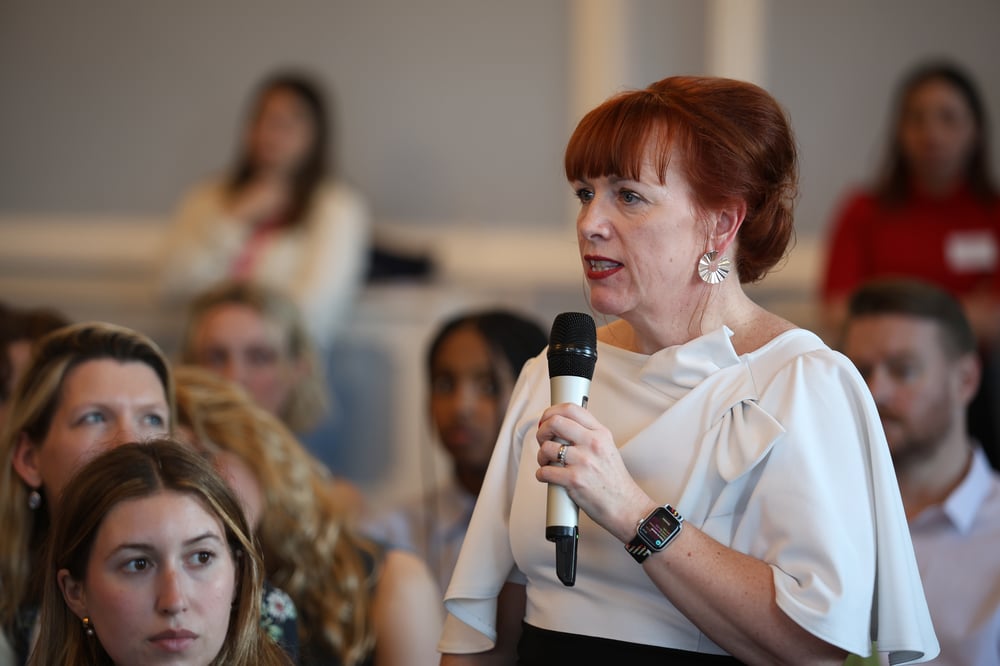
Clarity’s research reflected this - with 64% of women aged 18 - 24 in England reporting being dismissed by medical professionals, and 78% of women with endometriosis stating that they were told they were overreacting about their symptoms before finally getting a diagnosis.
With the 10 Year Health Plan moving more care into the community and placing more emphasis on self-management, health literacy needs to start much earlier, for example in schools. The panel saw adolescence as a missed window, a chance to educate girls before symptoms become crises and before they learn to downplay their own pain.
The rise of self-diagnosis
Social media and AI tools featured heavily in the panel discussion, alongside the need for proper education. Research carried out by Clarity and the Health Tech Alliance post-event puts numbers to the concern. The knowledge gap is wide - only 9% of women feel they know enough about menopause, and only 8% have a good understanding of gynaecological conditions.
Another concern was that of the rise of misinformation and younger women now relying on platforms like TikTok and Instagram to get their health advice - listening to social media influencers who aren’t qualified doctors. Panellists highlighted that more women now arrive at appointments having already reached their own conclusion in their mind. When they receive a different diagnosis, or a different suggested treatment path, the woman can leave feeling disappointed, even when the care itself is sound, wearing away trust and potentially making future conversations more difficult
However, social media also presents a host of benefits - for many women, it has been the first place they heard others describe symptoms like their own, giving them the push they needed to seek help. Online communities and campaigners have helped bring women’s health issues into the open, and that visibility has helped move them up the policy agenda in England. The challenge now is to build on that openness, but to ensure that women are directed to the professional care they need.
The economic stakes
One of the strongest messages was that women’s health as a whole, and not only menopause, fertility and gynaecological care, should be treated as system-level priorities. The economic case backs this up. Women’s health conditions cost the UK economy an estimated £11bn a year. Untreated menopause alone accounts for £1.5bn in lost output as women leave work, with more than 60,000 women currently out of work because of their symptoms.
However, efforts are undeniably being made - our research showed that for every £1 invested in obstetrics and gynaecology services, around £10 is returned.This is a step in the right direction, and one that we want to build upon further.
Change requires clear ownership across the whole system
A strategy can set the direction, but the panel agreed that delivery is where things stall. The risk is that women’s health becomes everyone’s job and nobody’s job simultaneously. Employers, professional bodies, patient groups and industry all have a role in holding the system to account, and public affairs can help turn high-level commitments into concrete changes in regulation, services and funding.
Part of the problem is how decisions get made in the first place. The panel discussed how women’s voices can still be filtered out of consultation and stakeholder engagement, or added in at the end after key decisions have been made. When only 2% of UK medical research focuses exclusively on women’s health, it can be harder to meet the bar for the kind of evidence that tends to influence commissioners and policymakers. Building lived experience into how services are designed from the start was highlighted as a way to tackle this.
Industry has a particular part to play in that, and there is real momentum to build on. 76% of UK women’s health companies today have at least one female founder, many of them working in digital and preventative care. With so many led by women, these companies bring the kind of lived experience the panel argued should shape services from the outset.
Health technology can help close the gap, if built with women in mind
Innovation in this space was definitely one of the most hopeful threads of the evening. The refreshed Women’s Health Strategy for England puts digital care and prevention at its centre, in line with the 10 Year Health Plan’s shift from analogue to digital.
Technology can provide opportunity - wearables and AI diagnostic tools are generating more data about women’s bodies than ever - but in order to make sure we aren’t deepening inequality, we need to ensure they are built on unbiased datasets. Women will need guidance on what the data means, as well as a clear route into NHS care when they need it.
Health technology and the rise of innovation is one of the most promising aspects of today’s healthcare, and will be key to giving women more choice and control over their care. If you are building technology for women’s healthcare, we want to hear from you - tell us what is helping you reach patients and the NHS, and obstacles you still need to overcome.
What comes next: looking ahead
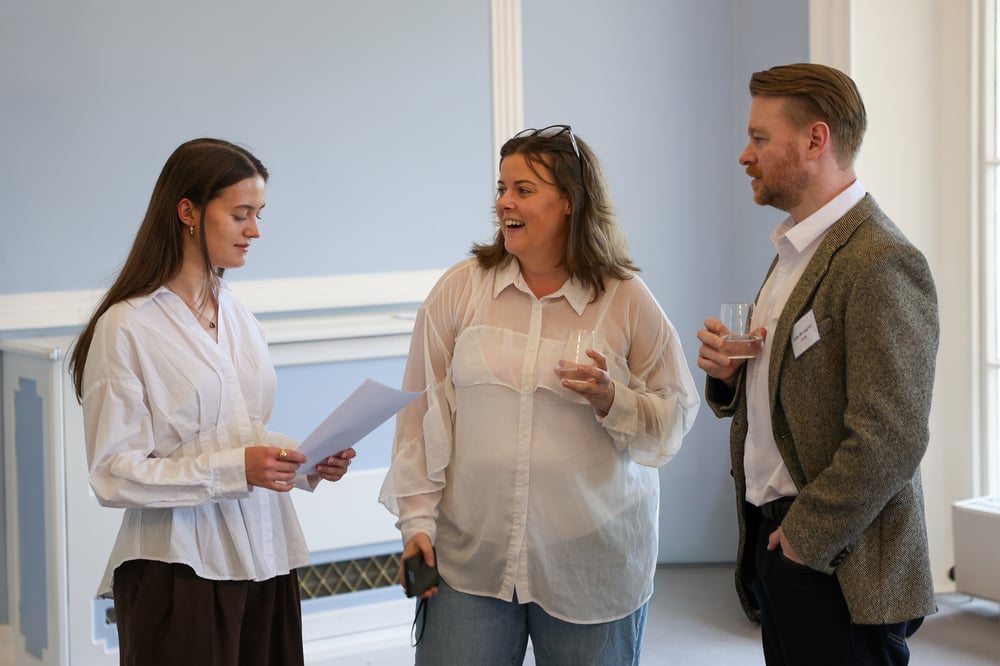
The evening showed us how much energy there is behind this agenda, and how much can come from putting the right people in one room. Our thanks go to WiPA for hosting, to our panellists for their honesty and insight, and to everyone who came along and contributed to such a lively discussion.
Women’s health remains a core focus area for Clarity and the Health Tech Alliance, with many of our clients looking to move away from raising awareness to driving lasting change. We will continue to champion the health technology companies, charities and societies working in this space through our advocacy and media relations work. If you would like to hear more, we’d love to hear from you.
Sources: NHS England (Dec 2024), Endometriosis UK (2024), Women's Budget Group (2026), House of Commons Library, DHSC, WEF and McKinsey Health Institute, NHS Confederation (2024), Health Tech Alliance / Clarity survey of 2,000 UK adults (May 2026).