Skip to content
  • Some additional information in one line
  • Dec 17 2020

FINITE FinTech Interview Series: Brand building in a new category
featured-image

Brand building is an essential part of marketing for any B2B startup, but how do you build brand without the guiding path of an existing category? 

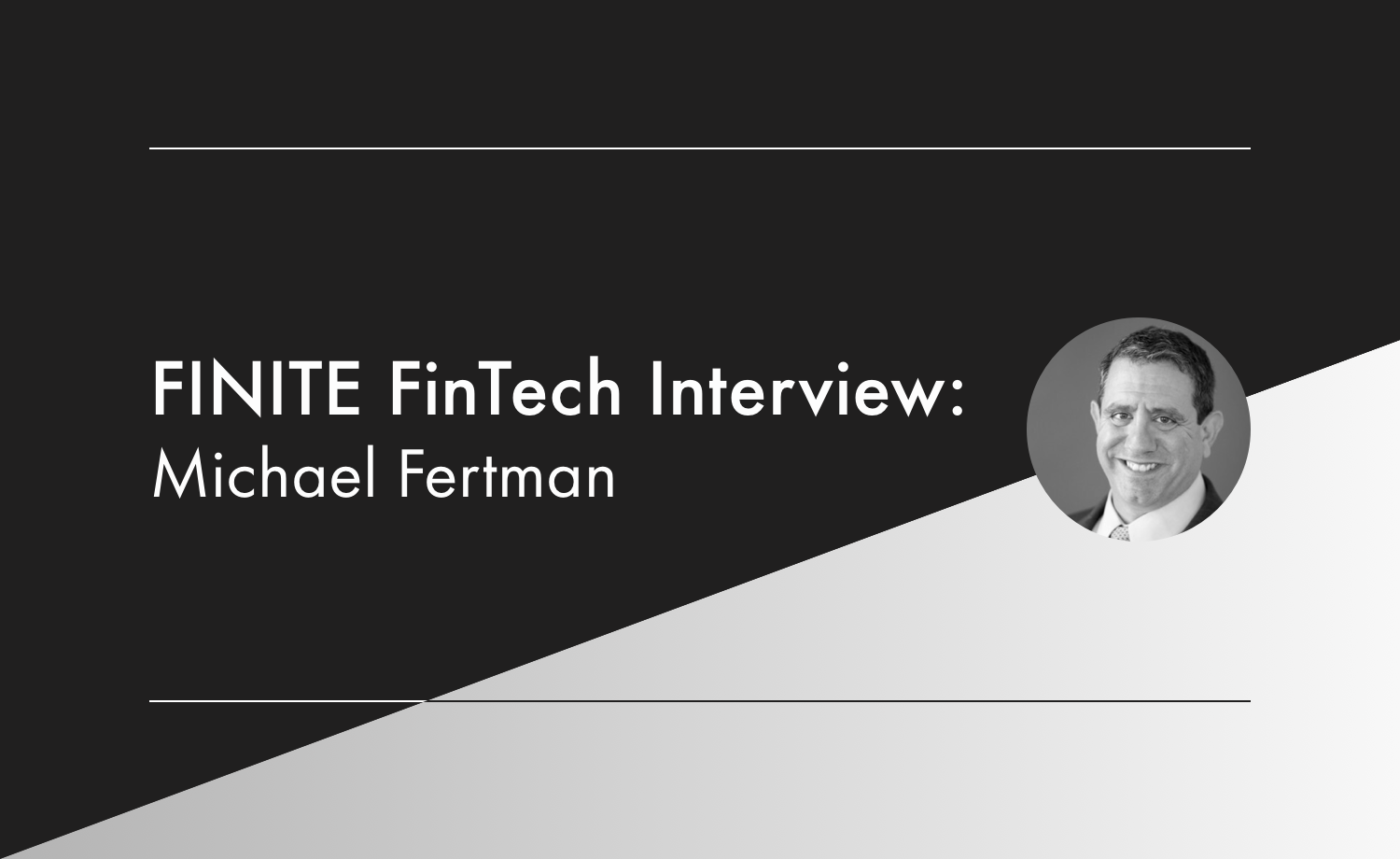
In this edition of the FINITE FinTech Interview Series, Michael Fertman, VP of Global Marketing at Apifiny, shares with us his secrets to building brand in a new category. Apfiny is a leading FinTech company that is building a new internet of finance

This interview covers: 

  • First steps to take in building a brand for a B2B FinTech startup 
    • Decide what your brand is and what do you stand for by identifying company values 
    • Do thorough competitor analysis for brand definition, which will inform your brand archetype, colour palette, messaging and brand voice 
    • Develop a strategy to build brand awareness, and practical examples of where to put your efforts 
  • How brand building differs between a startup with an existing category vs. creating a new category 
    • Having existing category allows you to look at existing organisations to see how they reach a particular audience, but there is more competition
    • Building brand in a new category means you have a lack of competition, but no one is aware of the solution you are offering.
    • PR is the key to creating noise in a new category as prospects won’t rely on your unknown company to educate them, they rely on established sources
    • Hyper-targeting is important to make best use of your resources by concentrating on highly relevant prospects
  • The biggest challenge in building brand for a B2B FinTech startup in a new category: Customers are not searching for a solution, because they are not aware their problem exists yet 
    • The solution: Start by focussing on end-company benefits. These are the ‘what’ you are solving, and less of the ‘how’ until the right moment in the buyer journey 
    • Get published in the publications that your prospects are reading
    • Ride the coattails of competitors by building an association with them 
  • Signs of successful brand building for a B2B FinTech startup that is creating a new category 

FINITE: Hi Michael! Firstly, could you tell us a bit about your background in FinTech marketing, and your current role as VP of Global Marketing at Apifiny?

Michael: My first job was about as far from FinTech as you could get — as a naval officer on a nuclear-powered cruiser in the Persian Gulf. The business verticals I’ve worked in since then include credit risk management across virtually all industries, real-time options analytics for institutional traders, fraud risk management for eCommerce, primary research services for institutional investors and white label crypto exchange technology for digital asset exchanges.

Now, Apifiny, where we’re building a new internet of financial services. I was a consultant for a few years, and worked with over a dozen companies during one five-year stretch.

Apifiny is cutting out the friction caused by highly fragmented markets to deliver a better, faster, and cheaper professional digital asset trading experience. We are launching a groundbreaking new trading platform that brings together the best qualities of two types of trading platforms — centralized (CEX) and decentralized (DEX) via a single interface. We also enable institutional traders to execute global strategies across multiple trading markets via one solution.

FINITE: What are the first steps you take in building a brand for a startup? 

Michael: At a high level, like most marketers, I’m focused on two key brand-building areas — defining the brand and generating brand awareness. Brand building is much more important than meets the eye.

In both B2B and B2C, studies have shown that companies that spend roughly half their effort on brand building and a half on lead gen and activation efforts perform better than those that focus wholly on only brand building or wholly on lead generation.

For our brand-building efforts, we want to fly out of the gate with consistent and powerful messaging across channels. So, I start by assembling the brand’s foundation. Final outputs include a comprehensive messaging document — our 1 sentence tagline, 3 sentence description, boilerplate, messaging for key solutions and customer segments. We will also develop a brand guide and brand assets such as standard infographics, logos, social media templates, etc. 

Where do we start? 

My first question to answer is, “what is our brand definition? What do we stand for?” I view the brand as the sum of the company’s interactions with its customers and ecosystem. Understanding the brand experience, in a FinTech startup, comes from within. Marketing can build brand awareness and improve brand perception, but ultimately, your customers’ perceptions ARE your brand. 

In the long run, there are a lot of big things to consider. Who is our product targeting? What brand archetype should we adopt given our competitive positioning and audience? What is the impact on our tone of voice, our color palette, and our marketing channels? And how do we portray our company values?

Part of the answer comes from the company’s values, which are almost always a top-down reflection of the CEO’s values. In the absence of time and money to do outside research, your CEO, head of sales, and head of customer success will give you a giant head start. And front-line sales and support team members will have the true unfiltered story.

From the CEO, learn his vision for the brand and its values. The head of sales can describe the different talk tracks that resonate with prospects and can give you a pulse on general market perceptions. Finally, your head of customer success will know what’s real. What works and doesn’t. Whether customers praise your company or the opposite. And why. 

A second early step in my playbook is a quick and dirty outside-in competitive analysis. What are the taglines of our top competitors and substitutes? Who are they targeting and with what value propositions? What are the key dimensions of differentiation, and where can we “win” on that map? How do we compare in website rankings, keyword rankings, social media followers, and more.

All of this brand definition work will inform our brand archetype, color palette, key messaging, and our brand voice.. 

For the third early step, but sometimes first, I ask, “how can we get the word out far and wide?” 

My playbook is all about the 80/20 rule – focus on the 20% of potential effort that can drive 80% of the potential results. I find there are almost always some quick hits to capture before developing a strategy. Examples include basic SEO upgrades by improving metadata and internal linking, keyword-driven display ads, directories, review sites, Quora. Also, social properties need to be active. 

Most websites have low hanging SEO fruit. Keyword-driven display ads will generate giant numbers of impressions and clicks at a low cost, slowly building a new audience. LinkedIn ads will give you exceptionally targeted brand impressions to give potential customers logo recognition — “yeah, I think I’ve heard of you guys.” 

Another quick hit is to find questions on Quora for which the answer could be your product. Answering a few questions will attract visitors from Quora who tend to be seriously interested in learning more. I also look for ready-made lead conversion funnels — are there any blog posts or pages capturing a lot of organic traffic? Can we turn them into lead gen pages with forms? 

Sometimes a few days of quick-hits work upfront can pay dividends amidst the heavy lifting for the long haul.

Of course, we need a long-range plan, which encompasses more channels and more strategic planning and coordination — e.g. new product launches.

FINITE: How does building a brand differ for a startup with an existing category vs. a new category? 

Michael: Night and day. And each with its advantages and disadvantages.

An existing category is defined and recognized as such broadly. Examples include email marketing software and social media marketing software. The good news is that you can easily learn how prospects search for solutions like yours. The bad news is that, almost by definition, you’re entering a space with entrenched incumbents. 

A new category will likely be competing with the “old way of doing things.” The iPod replaced the MP3, which replaced the Discman, which replaced the Walkman, which replaced … nothing. Of course, the MP3 has been largely replaced now, too. When the MP3 was entering the market, there was no digital music category. But there was the Discman — an existing category in which to compete and take customers. Same problem. New solution. New category.

When blazing a new trail for a new category, nobody is searching for a solution like yours. Who would do a google search for a white label crypto exchange in 2010? 2015? 2020? It wasn’t a category in 2015, and now it is. 

To win in these conditions, you have to make noise and be heard. And you have to be hyper-targeted in your outreach.

PR is critical. Why? Believe it or not, nobody cares about what you have to say. 

They don’t know your category or your company. But they will listen to their current news sources and influencers about their key business problems and available solutions in the market.  A strong in-house PR person is a very high ROI team member who will get your executives heard through answering questions for articles (“newsjacking”), publishing bylines that were written by (or ghostwritten for) your CEO in industry publications, and getting a handful of announcements written about you in your customers’ most trusted industry news sources. 

When someone is deciding whether to take a sales call and Googles your company name, you benefit by having a handful of credible articles pop up with quotes from your team.

Why is hyper-targeting important? With limited resources you want your sales efforts to be with relevant prospects — companies that intensely feel the pain your solution solves. All messaging must be crystal clear about the problems you’re solving, for whom, why they should care, how much money is saved/produced.

For example, for our trading solutions, we know the profile of professional traders and can assemble our targets through a variety of creative methods — e.g., finding individuals who follow a certain combination of Twitter influencers. Or people with specific roles at specific companies. Hypertargeting, where possible, leads to shorter sales cycles and higher conversion rates — i.e., greater efficiency for sales.

FINITE: What’s the biggest challenge you have come across so far in building a brand for a startup that’s creating a new category? How did you overcome it? 

Michael: The biggest challenge is that customers are not searching for a solution like ours when launching  a new category. There are two keys to overcoming this challenge.

First, identify your company as part of the category you’re seeking to replace. If possible, create a catchy description. At Apifiny, we launched a new solution area, called Roxe, that will dramatically reduce the time and cost of sending cross-border payments. From days to seconds and for far less money. 

We’re solving an old problem in a new way, with blockchain technology. In our go-to-market, we will focus on end-customer benefits — the “what” — and less on the “how” until the right time in the sales cycle.

Second, get published in the publications your prospects are reading. We’ve gone out of our way to be published in traditional finance publications, not just crypto publications, and we’ve also gone out of our way to associate ourselves with recognized brands. 

Third, as much as possible, ride the coattails of your competitors’ brands. For example, we sponsored a panel discussion that included two other more established and recognized companies. We promoted it like mad, to not only attract registrants, but to also ensure thousands of brand impressions next to incumbents with brand recognition. Just being on the same stage sends a strong message. Now, we’ve been seen on a level playing field with our competitors. And people who follow them could not have missed our promotion. 

When your company shows up in a search result for a competitor’s name, you’ll know you’ve arrived.

FINITE: What are some signs of successful brand building for a startup that’s creating a new category? 

Michael: It’s hard to measure brand strength in a startup. We can perform occasional surveys to test recognition, and we can also see some indicators in our sales and marketing metrics:

  • Direct and Organic traffic is increasing — more people are searching for your company by name
  • You see an increasing share of site visitors from returning visitors — nurturing is working 
  • Sales cycles are shorter
  • Email open rates are increasing, indicating greater brand awareness and interest
  • You are receiving inbound inquiries to speak, provide quotes, or to learn more about your solutions

You’ve arrived at the promised land when there are review sites for your category, and you have the most reviews and the highest scores!

FINITE: Thank you so much for sharing with us your knowledge on building brand as a FinTech startup in a new category! You’ve given us thoughtful, specific and digestible answers that offer practical advice and valuable insight from your vast experience in B2B FinTechs. 

To read the last edition of the FINITE FinTech Interview Series and to learn more about the role of a CMO, click here!

And once you’re done listening, find more of our B2B marketing podcasts here!

The FINITE Podcast is sponsored by Clarity, a full-service digital marketing and communications agency. Through ideas, influence and impact, Clarity empowers visionary technology companies to change the world for the better.

Find the full transcript here:

Jodi (00:00)
Hi Chris, welcome to the finite podcast.
Kris Rudeegraap (00:03)
Thank you, Jenny. Thanks for having me.
Jodi (00:06)
It’s a pleasure to have you here today to talk to about a topic that is quite close to my heart as a community leader. We’re talking about community-led growth. Now, you’ve been doing this loads at Sendoso. It’s been one of your main key strategies that has really been pivotal to your success and your growth. I can’t wait to hear more about that, but I think as we always do, before we get started, I would love to hear more about your background and experience to date.
Kris Rudeegraap (00:35)
Yeah, of course. So I started Sindoso about 10 years ago. Prior to that, I spent about a decade in software sales myself. While I was at my last company, I was seeing… just the efficacy of email and seeing that response rates were kind of diminishing. And again, this was 10 years ago. I thought email was going to slowly die out as the spam hit it so hard. and so I thought about, Hey, what are some of the other channels that are less saturated and can still grab people’s attention? And that’s where really direct email and gifting came to mind. And so I was doing a lot of it very manually. I was in the office grabbing swag, packing boxes, or on a call here at dog. bar, go grab a dog toy from Amazon and ship it out to a prospect. and all those things worked really well. It was just a nightmare to manually track it manually, expense report, manually click on tracking links and follow up. So I dreamed of a platform that could do all this for me. That’s where Sendoza was born. we’re the leading global direct mail and gifting automation platform where we do all of the worldwide procurement fulfillment, all of the marketplace of gifts and mailers you want to send and then the software and data layer to bring it all together. And so over the years, I’m scaling that company from an idea to hundreds of millions in revenue, learned a lot and done a lot with community as part of a growth strategy over the years.
Jodi (02:00)
Yeah, absolutely. Really exciting to hear all about your gifting business and the thought process behind that. I mean, I’m sure it’s a lot more than a gifting business, but we’ll go into that in a bit. I did hear from you some really, really great results about what you’ve done with community and what it’s done for Sendoh. So I think community is so kind of a little bit abstract for marketers. They don’t really know how it can kind of impact the bottom line. So I thought, could you please share some really great key results that you can directly attribute to community?
Kris Rudeegraap (02:36)
Yeah, would love to. Maybe for the audience, I’ll take a step back to share a couple of different communities we have, and that will set the stage as we talk more in depth about them. the first community I was a super sender community, there’s about a thousand members in this, and this is a user community of active users, power users on our platform. This community, we engage through a Slack group, through a newsletter, through a sendy awards, a user conference, both virtual, we’ve done some in person, and then we have some AMA office hours through this community. The next group is our cab or our customer advisory board. This is kind of a dynamic community. Usually there’s a few dozen people that we engage quarterly to share product feedback, to get market intelligence from. And that community we typically pull from supercenters, but they could be executives that are not necessarily in our user community. I’ve then built a personal advisory group community. There’s over a hundred members here. This is mostly execs. and people that I’m sharing more details on the business, but a lot of them are our target ICP. But again, it’s a group of individuals that have opened their networks, opened their insights on. And then nurture our alumni. And this is probably 100 plus folks in this alumni community where I feel strongly that even after you leave, you could still be a valuable asset or you could still want to still, you Bleed Orange, as I like to say. And so I engage with monthly updates this alumni community as well. And so those are the kind of the different communities we have. A few stats. So our Supercenter community of Power Users, one of the areas that we wanted to do was we really want to focus on training and educating this community. And so we have this stat where any Supercenter who completes admin certification will spend 71 % more on our platform. And so that’s really a critical area where we try to, first we try to qualify people into this super center community and then we try to get them into certifications. So that’s a big one for us. The next one is. You know, we know that people switch companies often. And so we track all of our super senders through a tool called user gems and we’re tracking job changes. And then we go out and outreach to them when they’re at their new company, reminding them that they should continue to use Sendoso again. ⁓ and we have over a 60 % response rate from that list, which is huge compared to typical, like cold outreach, which is like, you know, in the. you know, few percent response rates. So really we re-engage our community after they switch jobs. And then the last stat for this ⁓ personal advisory group community, we’ve generated over 7 million in pipeline from this advisory community through warm intros. And that’s been a critical lever for us as we’ve continued to scale the business.
Jodi (05:31)
very interesting and some definite impact there. I was wondering, this is something that I don’t feel like is talked enough about in B2B is people moving jobs, you know, and your database is based on contacts and their associated companies and when they leave, you know, all you get is bounced emails and tracking them is quite a laborious process if you have thousands and thousands of data points, like…
Kris Rudeegraap (05:42)
Mm-hmm.
Jodi (05:56)
Do you automate that? How does that work from a practical standpoint?
Kris Rudeegraap (06:00)
Yeah, 100%. So the tool user gems we use, we will monitor all of our users through supersenders. And then when they switch jobs every month, user gems goes out and looks to make sure they’re at the same job. And if they’re not and they switch jobs, then user gems flags that creates a new profile in our Salesforce links back to the old record because so we can have some history of like how they use this before. And then it kicks off some automated engagement through this tool they have called GEMI, where it’ll actually then do the outreach for us. So even before we let any human into this, we might already have somebody to raise their hand and say, hey, thank you for welcoming me. Will you then use Cendoso to send them gifts celebrating their new role? And that is all very automated.
Jodi (06:56)
Very cool. Yeah, I thought so. That’s great tips and great tool recommendation, but we’re just to say we’re not paid. is is totally just organic recommendation. Yep. Nice Cool. So I suppose I’m thinking, you know, what was it about Sendoso that made you think community strategy was compatible?
Kris Rudeegraap (07:04)
Yeah, that’s just something that I love personally.
Jodi (07:19)
you know, is community for everyone or is there something unique about when you were like this decision making process when you were founding Sendoso that led you to this?
Kris Rudeegraap (07:29)
Yeah, you know, it’s a good question. I’d say, I mean, honestly, at first, I’d say community as a strategy wasn’t necessarily a strategy was almost more of like survival, where in the very early years, you’re obsessed with your customers, you want constant feedback. So you’re really trying to engage them very frequently. And that ended up driving a couple things. One was, you know, our best customers were already becoming advocates themselves. They were already shouting out that they loved us. And so that was already happening. Two, we really realized that… you know, some of the original channels, like I thought, Hey, I’m starting this company because email is dead. Well, what are their channels can we leverage? And so kind of the community engagement as a strategy was really critical for us. Because if we built relationships, even if they switch companies, it was much easier to engage with them than just do a cold email outreach. So we thought, Hey, let’s build these relationships. So we really optimized for the kind of the long-term when starting this. But I think. For us, we sell into a lot of marketers, sales, and CX roles. Those are kind of our three core kind of personas. And I think that certain ICPs tend to have better success with community. I think for us marketers, they enjoy talking to their peers, they enjoy sharing best practices, they enjoy learning. And so that’s really helped us build a… community based on our ICP. I could imagine maybe some ⁓ ICPs maybe are less interesting for like a community strategy. But I think also because we were a cool new tool years ago, we were a new category where marketers didn’t fully understand like how do I leverage direct mail automation? And so having this community with education and peers lent itself to people wanting to almost brag about it and join a community to share more about it.
Jodi (09:20)
Yeah, absolutely. definitely seems like education is a big piece there and it almost seems like a lot of the more mature communities that exist in B2B now started with a forum of customers talking to customers experience managers troubleshooting and figuring it all out together. So actually did the start of your community strategy really look like? You’ve mentioned kind of advocates and maybe wanting to encourage word of mouth, when did it start to become more kind of structured and strategic and maybe measured?
Kris Rudeegraap (09:57)
Yeah, mean, looking back on it, think very early it was scrappy. It was these small dinners. was these, you know, more of an informal Slack group to get going that then was formalized as we brought on like a customer marketer. So no grand vision or, you know, fancy tooling, I’d say day one. It was just getting smart people in a room and getting them to talk to each other. We did have some fun early stories. So one that comes to mind was we had an early community event where I gave everybody fake prop money, like the money that they use in like Hollywood. And then I acted as an auctioneer and I made people bid on the features that they wanted us to build the most. That was probably my, one of my favorite community moments because it just got everyone so excited and the limited money made them really think about the trade-offs of which feature on our roadmap they really cared about most. And so I think bringing in some creativity and fun. You know, again, continue to make this community interesting. And I think that you need to bring interesting content or interesting initiatives into the community.
Jodi (10:58)
I’m interested because you’ve you really made it clear that there is kind of a bubbling excitement for your product and that that is interesting to me because it it almost seems like maybe third-party communities might be more kind of trusted or seem more objective in their recommendations for like tools or you know brands products and things like that. How did you engage customers to be brand advocates? How did you encourage that bubbling enthusiasm without feeling too salesy or like you were pushing Sindoso too much, if that makes sense.
Kris Rudeegraap (11:39)
Yeah, I think a few other things we did. You know, we, ⁓ we oftentimes had these office hours or AMAs where it was just the community, in these like, ⁓ zoom meetings. There was, and at some points we would have a customer market and they’re just to, kind of moderate or just to kind of chime in and help. But for the most part, it was community led. So I was, you know, one of our customers standing up saying, Hey, I’ve got a great story. I’ve got a successful Sendoso campaign I’ve done. I want to share with you what I did, what I learned and what I’m doing. And so it was really intentional for us to have them come in and share their success as a community member versus us coming in and saying, hey, here’s what you can do with our platform or, let’s teach you something instead. It’s like, hey, let’s let a peer teach you something. And so I think that was really strong. Even our Sendy Awards was that on steroids where we would award people for having success on our platform. And then the award ceremony was them sharing what they got their award for and what campaign drove that award. And again, I think that just goes back to feeling more real and authentic than having like some Sendoso member pitch.
Jodi (12:51)
Yeah, that’s absolutely makes sense. It’s, I feel like so many communities can mistake thought leadership or just kind of content strategy for community strategy. And really the heart of community is facilitated, facilitating those peer to peer connections and really encouraging those conversations between your, your audiences. And I can see, so that’s how you kind of, you’re not sales and you’re not blasting a message out. You’re really.
Kris Rudeegraap (13:11)
Exactly.
Jodi (13:19)
Yeah, encouraging those conversations. Is there anything else you do to encourage those conversations? I guess, you know, bringing your customers to events and you mentioned you’ve got a Slack channel. Is there anything else that you do?
Kris Rudeegraap (13:31)
One thing that we launched last year that I think is interesting too is we wanted to bring more customer conversations to the top of the funnel or earlier in the sales process as a community strategy. we really realized that customers love talking to customers. And then we also realized that a lot of peers or prospects wanted to talk to customers as part of the buying cycle. And oftentimes those were like back channels or harder for prospects to find. so, you know, one we are trying to that more prospects into this community. We don’t want it to become too prospect focused because you won’t have the value add yourself if you’ve never used Sindo. So, but one tool we recently rolled out was a company called Slash Experts. And what I loved about that is it really created a portal where we could showcase a couple dozen of our customers and then anyone could come instantly book a meeting with them. And so it eliminated us. feeling like we’re gating and only allowing prospects or customers to speak to people we’ve like purely vet first or purely say, hey, you want to talk to a reference? Here’s one person. Instead we say, here’s a bunch of people. You pick who you want. And that’s opened up more conversations. And I think at the end of the day, it all goes back to more conversations. And if people are organically talking to each other about you, it just spurs more engagement. so we’re trying to, back to facilitating conversations.
Jodi (14:55)
Absolutely. Yeah, that’s really interesting. And you’re lucky that you have so many kind of power users. Just out of curiosity, from a practical standpoint, how do you incentivize those advocates to kind of give up their time and promote or talk about Sendoso to prospects?
Kris Rudeegraap (15:12)
Yeah. So some of them do it because they want to have peer to peer network. And it’s almost like something that is context switching for them. It’s getting out of their day to day to, you know, talk to somebody else that’s interesting peer and share their success. It’s almost like brag, you know, being able to brag. for some of them too, we offer up like a thank you, or we’ll give them some compensation for their time. but it’s mostly driven by people that are raised their hand and they just want to, you know, celebrate their successes, share what they’re doing. And I think that a of people are in that boat where, you know, maybe their day-to-day job is, you know, something that they want to break out of and, and, know, do something a little bit different. so speaking with a peer randomly about a cool tool they’re using in their tech stack, ⁓ is something that they are willing to raise their hand for.
Jodi (15:56)
Yeah, awesome. Thank you for sharing that. I guess you are a gifting platform as well, so I guess, you know, it’s about recognition and it’s about, you know, rewarding that kind of advocacy. So I’m sure you do that as well. On gifting, how does that come into this? it?
Kris Rudeegraap (16:02)
Yeah.
Jodi (16:18)
impact your community strategy at all? Do you send gifts to new members or ambassadors? I think you’ve mentioned it briefly. Do you want to go into that a little bit more?
Kris Rudeegraap (16:27)
100%. Yeah, I think one of the best ways to engage a community is to ⁓ reward good behavior or just to surprise and delight. Because I think that goes a long way too. And so we will, there’s welcome kits, there’s things around ⁓ holidays, there’s thank yous, there’s life moments. So we try to track. know, life moments of our community. And if, you know, if they’re having a kid, they’re getting married, those are celebratory life moments that we can gift them. A lot of times we’re gifting swag items because again, they want to wear the Sendo so logo proud, proudly and go out and showcase to the world that they’re a super center or that they love the Sendo. So brand. I think swag plays a big part in, you know, gear that they want to wear and merge. but like you said, I think there’s different reasons why, rewarding good behavior tends to drive more good behavior. But I think the life moments is something that. some companies don’t think about, you we think about it because we’re, you know, a gifting platform, but it goes a long way if somebody, you know, has a big life moment and you step up and, you know, send them a nice little gift and that really helps build that relationship.
Jodi (17:41)
Yeah, I’ve never thought about that before. guess in B2B particularly, there is such a kind of boundary between business and personal life. know, I mean, we’re starting to cross it even more as B2B marketers use kind of consumer driven platforms like YouTube or even TV advertising. how do you kind of, how do you feel?
Kris Rudeegraap (17:48)
Mm-hmm.
Jodi (18:07)
Audiences react when a business kind of knows their personal life events and how do you see that line kind of maybe fading away in the future?
Kris Rudeegraap (18:19)
Yeah, you know, I think, for what we’ve seen is that that line is becoming blurred, especially since COVID where more and more people were working from home. And also people spend the majority of their day at work or working. And so if you can bridge the gap between what they’re doing for work and what they’re doing at home and or make that feeling, make them feel like you care about more than just their work. I think that builds the connection. and it builds, you know, if you have similar interests, you can build connections. If you, know, can, ⁓ thank people and, you know, at more of an emotional level, because I think a lot of business is transactional, and community, can really find people that care deeply about your brand. so if you can, you know, again, connect more emotionally with them, it tends to build that stronger bond and that stronger relationship, which then means. you know, when we do follow up after they switch jobs, they want to rejoin the community, you know, they want to feel a part of it again. And part of that is the warm and, you know, fuzzy feeling they felt when, you know, we sent them a gift, congratulating them on, you know, a job promotion and something that was a little different than just a, you know, or sending them a, you know, baby onesie with their favorite sports team logo on it. Things like that go a long way, even if they’re small.
Jodi (19:42)
I guess that’s another way that community marketing is described. It is one to many and I guess all one to few and that means that you are really making people feel special and like they’re being heard and like you’re not just some big brand hidden behind a website and fancy graphics. You are people behind that brand and you really are having those kind of one-to-one conversations. Would you agree?
Kris Rudeegraap (20:09)
Exactly. 100%. Yeah. And we’ve also done some stuff too, where we’ve, you know, we see actions where community members are talking with other community members and we’re rewarding that behavior too and thanking them for participation. So I think a lot of different ways you can use gifting in your community strategy.
Jodi (20:27)
All right, well, that’s all we have time for today. So thank you so much, Chris, for coming on the finite podcast. It’s been a pleasure to hear about community marketing from your perspective.
Kris Rudeegraap (20:36)
Yeah, thanks for having me on. What a fun conversation.